Cessna 172F Rheostat (No Knob)
Cessna 172F Rheostat (No Knob)
Blog Article
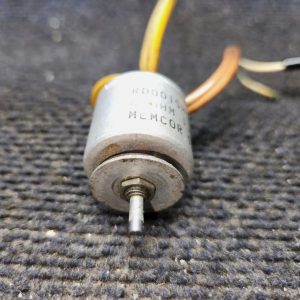
The Cessna 172F Rheostat (No Knob)
Whether buyers search for a Cessna 172F Rheostat, Cessna 172F Lighting Rheostat, or Cessna 172F Panel Light Rheostat, electrical compatibility and individual condition should guide the purchase.
A Cessna 172F Cockpit Dimmer may function as a Cessna 172F Instrument Light Control, while a Cessna Instrument Panel Rheostat should match the intended wiring and electrical load.
An Aircraft Lighting Rheostat, Aircraft Panel Light Dimmer, Aviation Lighting Control Rheostat, and Aircraft Instrument Lighting Control belong to the broader category of variable cockpit illumination components.
Whether buyers seek Cessna 172F Electrical Parts, a Cessna 172F Dimmer Switch, Cessna Panel Lighting Control, or a Cessna Aircraft Rheostat, every component should be identified individually.
Understanding P/N RD0015H1600JBC
Every letter, number, and suffix should be recorded because similar rheostats may differ in resistance, wattage, shaft style, terminal arrangement, dimensions, and operating characteristics.
Informal cross-references should not replace verified specifications or appropriate aircraft electrical information.
Completing the Panel Lighting Control
Accurate knob information helps prevent click here incomplete installations and loose cockpit controls.
The replacement knob should attach securely without damaging the shaft, binding the rheostat, or contacting the panel surface.
Instrument Lighting Control Operation
Rotating the control changes the electrical resistance or control setting, allowing the pilot to select an appropriate lighting level.
An intermittent control may cause flickering, dead spots, sudden brightness changes, heat, or inconsistent illumination.
Cessna 172F Electrical Compatibility
A rheostat associated with a Cessna 172F should not be advertised as universally compatible with every Cessna 172 variant.
Previous aircraft modifications should be reviewed before reconnecting the replacement component.
Cessna Rheostat Physical Condition Evaluation
The shaft should rotate smoothly through its intended travel without excessive looseness, binding, roughness, or unexpected movement.
Mounting threads, nuts, washers, anti-rotation features, and panel-contact surfaces should be examined for wear or damage.
Preventing High-Resistance Connections
Electrical terminals should be inspected for corrosion, looseness, bending, damaged insulation, burned surfaces, broken hardware, and previous solder or crimp repairs.
Damaged terminals should not be bent repeatedly in an attempt to restore alignment.
Rheostat Resistance and Continuity Testing
The resistance should change in a predictable manner through the control range without abrupt open circuits, severe jumps, or inconsistent contact.
Qualified electrical evaluation supports responsible use of the Aviation Lighting Control Rheostat.
Common Rheostat and Panel Lighting Problems
Structured troubleshooting helps prevent unnecessary parts replacement.
Heat around the rheostat should prompt inspection for overload, resistance, loose connections, or unsuitable replacement components.
Restoring a Classic 172F Cockpit
Original wiring and lighting components should be documented before disassembly.
The missing knob may be sourced separately, reproduced appropriately, or reused from the removed control when its fit and condition remain suitable.
Cessna 172F Electrical Parts for a Complete Repair
A missing knob or damaged connector can delay installation even when P/N RD0015H1600JBC is available.
Donor-aircraft history may provide context but does not establish present serviceability.
Cessna Dimmer Switch Repair Considerations
A documented repair approach supports a more consistent result.
Opening the rheostat body without appropriate expertise can disturb internal contacts, insulation, windings, stops, seals, or calibration characteristics.
Evaluating a Used Aircraft Lighting Control
Accurate listings strengthen buyer confidence and reduce disputes.
The seller should disclose the missing knob, damaged threads, bent shaft, corrosion, burned terminals, heat discoloration, intermittent operation, repairs, and storage conditions.
Aircraft Lighting Rheostat Pre-Purchase Guide
The buyer should obtain enough information for qualified aviation maintenance personnel to evaluate the component before purchase.
- Resolve identity, electrical compatibility, fitment, and package-completeness questions before payment.
- Inspect the component for corrosion, heat discoloration, burned terminals, cracked insulation, bent shaft, damaged threads, loose housing, rough movement, contamination, and previous repairs.
- Inspect and photograph the rheostat immediately after delivery before cleaning, testing, opening, repairing, wiring, mounting, or modifying it.
Rheostat Packaging Requirements
A rigid container with suitable padding can prevent the component from moving or contacting loose hardware.
Test records and identification information should remain associated with the component.
Completing a Rheostat Replacement
Professional preparation reduces wiring errors and component damage.
The shaft should rotate freely after mounting and should remain properly aligned with the replacement knob and panel opening.
The panel should be checked under suitable lighting conditions without promising a particular brightness improvement.
Routine Panel Dimmer Inspection
Long-term maintenance includes checking control movement, knob security, mounting tightness, terminals, wiring, heat discoloration, corrosion, lighting response, and panel condition.
Cleaning products should not enter the rheostat housing or electrical connections.
P/N RD0015H1600JBC
The Cessna 172F Rheostat (No Knob)
Aviation maintenance personnel should evaluate the rheostat before repair, testing, wiring, installation, or operational release.
Whether the requirement is a Cessna 172F Rheostat, Cessna 172F Lighting Rheostat, Cessna 172F Panel Light Rheostat, or Cessna 172F Cockpit Dimmer, exact identification should guide the purchase.
With responsible purchasing, part-number research, controlled testing, secure mounting, and preventive electrical maintenance, the rheostat can remain a valuable cockpit asset.
Report this page